
Lower cooling costs in summer
By reflecting radiant heat away from the roof, sisalation reduces the amount of heat that enters the home. This means your air conditioner runs less often, lowering energy bills during Melbourne’s hottest months.
Reflective Foil Barrier
Sisalation is a reflective foil laminate installed under roofing or behind wall cladding in Research. It reflects radiant heat away from the roof space, keeping your home cooler in summer and reducing the load on air conditioning. Expert Insulation Melbourne installs sisalation with the required air gap for maximum effectiveness.
Share your details and Expert Insulation Melbourne will contact you about Sisalation Insulation in Research.
Sisalation is a foil-faced laminate that acts as a radiant heat barrier when installed under tiles or metal roofing in Research. It reflects up to 97 percent of radiant heat, preventing it from entering the roof space and warming the ceiling below. This is especially effective for homes exposed to hot northerly winds and heatwaves, common in Melbourne’s outer eastern suburbs like Research.
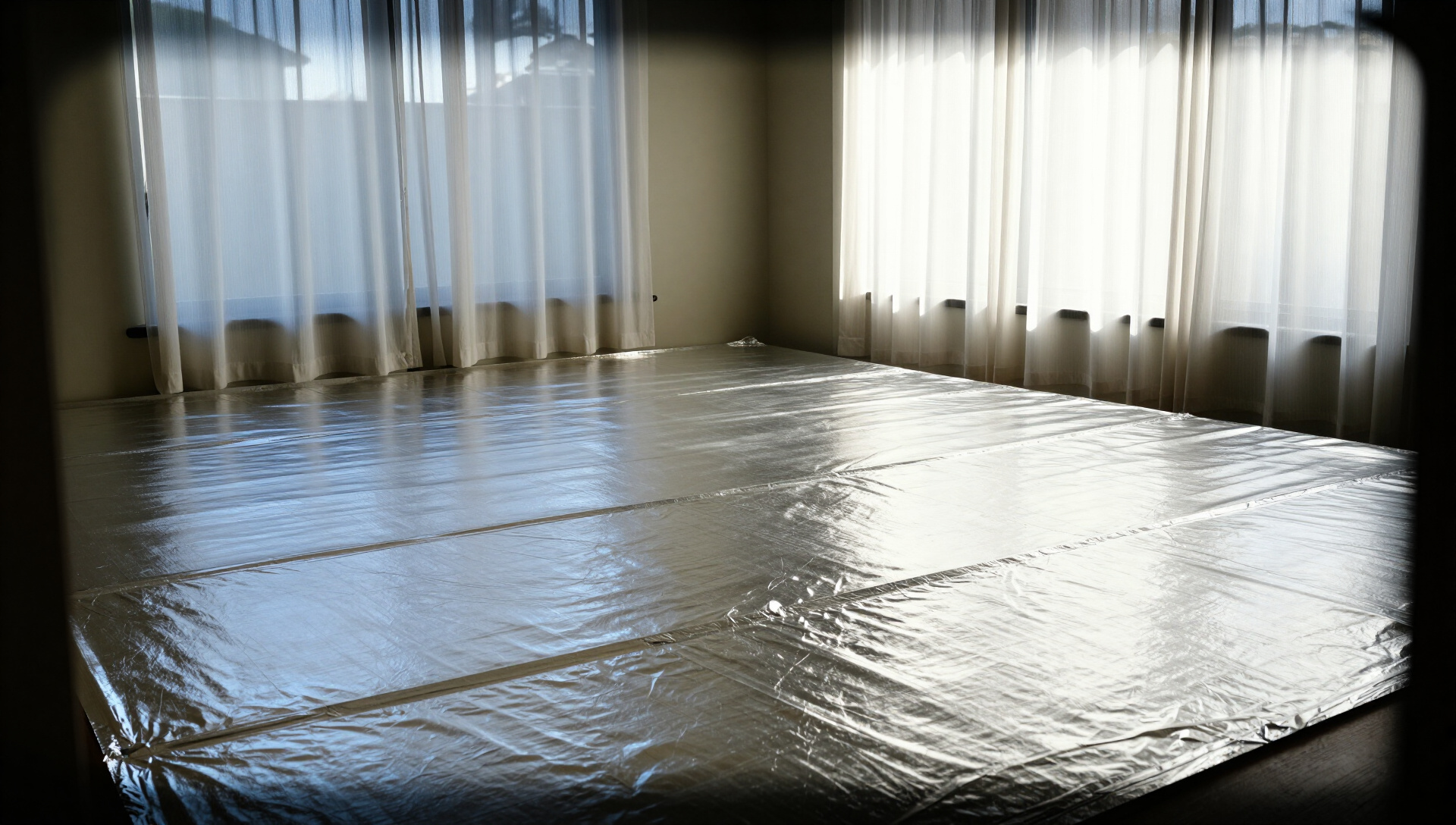
Research sits in a pocket of Melbourne that copes with hot dry summers and sharp temperature swings. Sisalation under the roofing cuts the heat that would otherwise soak into the roof space and push through the ceiling into living areas.
By reflecting radiant heat away from the roof, sisalation reduces the amount of heat that enters the home. This means your air conditioner runs less often, lowering energy bills during Melbourne’s hottest months.
Research homes on exposed blocks feel the full force of hot northerlies. Sisalation under the roofing blocks this heat at the source, keeping indoor temperatures steadier and more comfortable.
Sisalation is often installed alongside ceiling batts. The foil reflects heat while the bulk insulation traps still air, delivering better thermal resistance than either product alone.
The foil layer helps manage moisture by reducing temperature differences that can lead to condensation in the roof space, protecting timbers and ceiling materials.
Unlike thick batts, sisalation is a thin laminate that adds little bulk. It is ideal for roofs with limited space between rafters or where additional R-value is not the main goal.
Properly installed sisalation maintains its reflective properties for decades. It does not compress, sag or degrade like some bulk products can over time.
Installing sisalation requires access to the roof space and careful placement to ensure the foil faces an air gap. Our team follows a methodical approach to achieve a continuous reflective barrier under the roofing.
We check the roof structure, rafter spacing and existing materials. If old insulation is present and may contain asbestos, work stops until a qualified assessor inspects it.
Dust and debris are cleared from the underside of the roofing. Any sharp protrusions that could tear the foil are addressed before installation begins.
The foil laminate is rolled out under the roofing, with the reflective side facing down into an air gap. It is fixed to rafters or battens with staples or adhesive, ensuring no gaps or overlaps that would break the barrier.
All edges are sealed with foil tape and penetrations for pipes or cables are carefully flashed to maintain the integrity of the reflective layer.
Research is a semi-rural suburb in Melbourne’s outer east, with many homes on larger blocks and exposed to strong summer heat. Older weatherboard and brick veneer houses in Research often have minimal insulation at the roofline, making them good candidates for sisalation. The reflective foil works particularly well under colourbond or tiled roofs, reducing the heat that would otherwise radiate into the roof space and down through the ceiling.
Sisalation under roofing cuts summer heat gain in Research homes.
Homeowners in Research often ask how sisalation compares to bulk insulation, whether it can be added to an existing roof and what difference it makes in Melbourne’s climate.
Sisalation insulation in Research provides a reflective barrier that stops radiant heat from entering the roof space. This is critical in Melbourne’s outer eastern suburbs, where hot northerly winds and heatwaves can push temperatures in uninsulated roof spaces well above outdoor levels. By reflecting up to 97 percent of radiant heat, sisalation keeps the roof space cooler and reduces the heat that transfers through the ceiling into living areas.
Unlike bulk insulation, which slows conductive and convective heat flow, sisalation targets radiant heat. It is most effective when installed with an air gap of at least 25 mm between the foil and the next surface. In Research, this is typically achieved by fixing the sisalation to the underside of rafters or battens, leaving space for airflow. This setup works alongside ceiling batts, with the foil handling summer heat and the batts reducing winter heat loss.
Homes in Research with metal or tiled roofs benefit most from sisalation. The foil reflects heat that would otherwise be absorbed by the roofing material and re-radiated into the roof space. This reduces the load on cooling systems and improves comfort in rooms directly under the roof. For older homes with little or no roofline insulation, adding sisalation is a cost-effective way to cut summer heat gain without major structural changes.
Expert Insulation Melbourne installs sisalation under roofing in Research to reflect radiant heat and reduce summer heat gain. Call 0399695249 or email info@expertinsulationmelbourne. com. au for a quote.