
Lower energy bills year round
By slowing heat loss in winter and heat gain in summer, bulk insulation reduces the workload on heaters and air conditioners. Homeowners in Research typically see noticeable drops in energy use after installation.
Research
Bulk insulation traps still air to slow heat flow through ceilings, walls and floors. In Research, this means warmer winters and cooler summers with lower energy bills. We install glasswool, polyester and rockwool batts rated by R-value to suit your home.
Share your details and Expert Insulation Melbourne will contact you about Bulk Insulation in Research.
Bulk insulation uses materials like glasswool, polyester and rockwool to resist the flow of heat by trapping still air within its fibres. In Research, where homes range from older weatherboards to modern builds, it is the most effective way to cut winter heat loss through ceilings and summer heat gain through roofs and walls. The higher the R-value, the greater the thermal resistance.
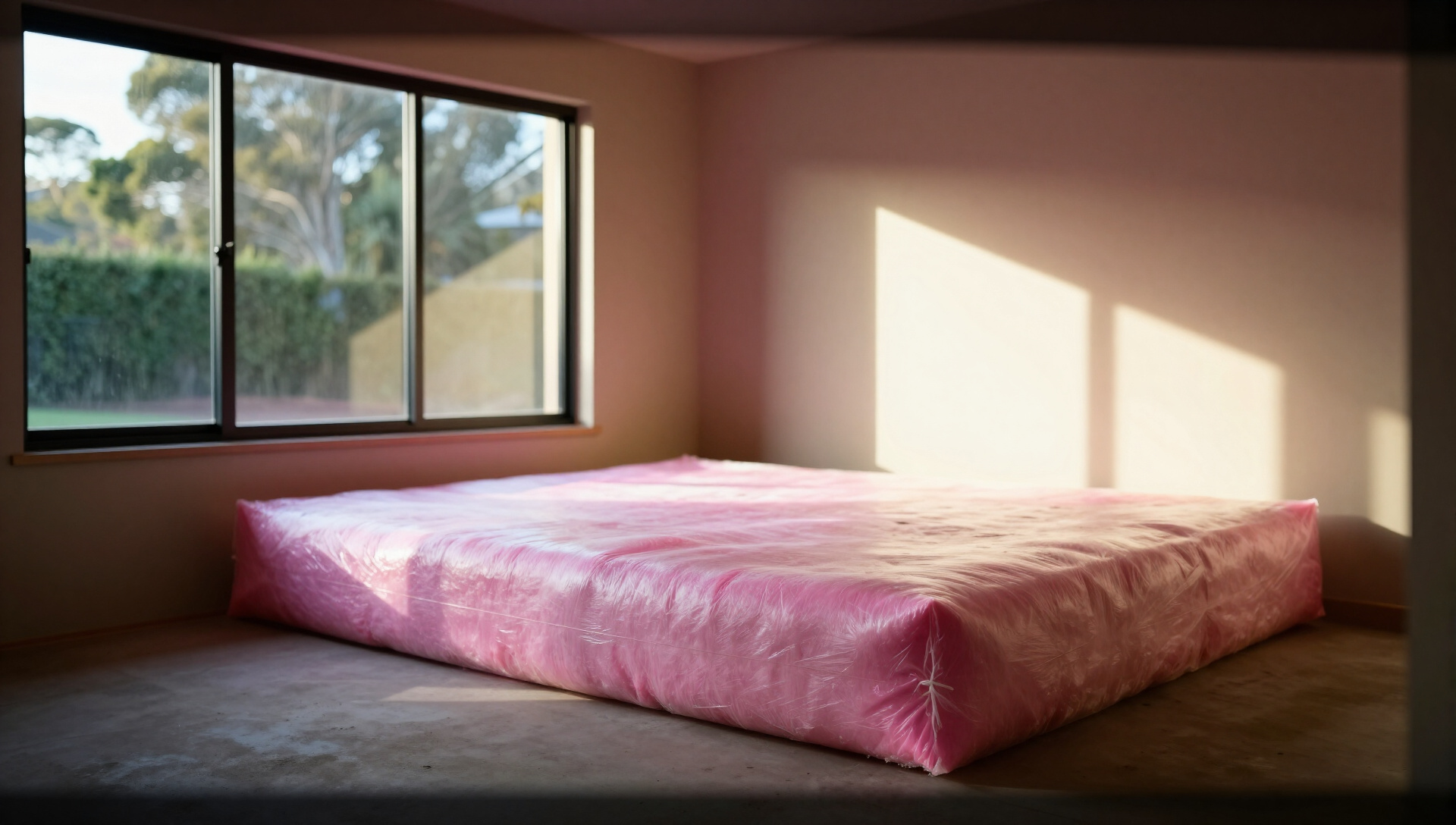
Research sits in Melbourne’s green outer east, where cold winters and hot summers push heating and cooling systems hard. Bulk insulation addresses the main paths of heat transfer in local homes, from older weatherboards to newer brick veneer and double-storey builds.
By slowing heat loss in winter and heat gain in summer, bulk insulation reduces the workload on heaters and air conditioners. Homeowners in Research typically see noticeable drops in energy use after installation.
Properly installed batts keep living spaces warmer in winter and cooler in summer, reducing cold spots near windows and hot ceilings under metal roofs.
In older Research homes, uninsulated ceilings and walls can contribute to condensation on windows and in roof spaces. Bulk insulation helps regulate temperature and humidity, lowering the risk of mould growth.
Bulk batts also absorb sound, dampening external noise from roads and neighbours. This is particularly valuable in Research’s quieter streets where peace is expected.
Glasswool, polyester and rockwool do not settle or degrade over time if installed correctly. They retain their R-value for the life of the home, provided they stay dry and undisturbed.
Bulk insulation can be added to most Research homes without structural changes. Ceiling batts go into the roof space, wall batts fit into open stud frames during renovations, and underfloor batts are installed from the subfloor.
Every Research home is different, so we start with an inspection of your roof space, walls and subfloor to confirm access, existing insulation and any issues like old compressed batts or ceiling dust. We then recommend the right product and R-value for your needs.
We check the roof space for access, clearances around downlights and flues, and the condition of existing batts. For walls, we assess cavity types and for underfloors, we confirm crawl space height and bearer spacing.
Based on your home’s construction and your budget, we advise on glasswool, polyester or rockwool and the appropriate R-value. Ceilings commonly use R4.0 to R6.0, walls R2.0 to R2.7, and underfloors R1.5 to R2.5.
Batts are cut to fit snugly between joists, studs or bearers with no compression or gaps. We maintain required clearances around electrical cables, downlights and flues, and ensure no dust or debris is left in the roof space.
We remove all offcuts and packaging, and do a final walkthrough to confirm the insulation is evenly installed and performing as intended. If old batts were removed, we ensure the space is clean before fitting new material.
Research is a semi-rural suburb in Melbourne’s north-east, with a mix of older weatherboard homes, brick veneer houses and newer builds. Many properties have large roof spaces and suspended timber floors, making them ideal for bulk insulation upgrades. The area’s exposure to cold winters and hot summers means insulation is a cost-effective investment for comfort and energy savings.
We install glasswool, polyester and rockwool batts in Research ceilings, walls and underfloors to cut heat loss and gain.
Homeowners in Research often ask about the best R-value, whether existing batts can be topped up, and how long installation takes. Here are the answers to common questions.
Bulk insulation in Research is the most practical way to improve thermal performance in local homes. Whether your property is an older weatherboard, a brick veneer house or a newer build, glasswool, polyester and rockwool batts can be fitted to ceilings, walls and underfloors to slow heat transfer. This reduces reliance on heating and cooling, lowering energy bills and improving comfort.
In Research, ceilings are the primary source of winter heat loss, while roofs and walls let in summer heat. Bulk insulation addresses both by trapping still air within its fibres, providing thermal resistance measured by R-value. Higher R-values mean better performance, with typical ceilings using R4.0 to R6.0, walls R2.0 to R2.7, and underfloors R1.5 to R2.5. The right choice depends on your home’s construction, climate exposure and budget.
Installation in Research usually takes half a day to a full day, depending on the size of the home and access to the roof space or subfloor. We start with an inspection to check for existing insulation, ceiling dust, downlight clearances and structural constraints. Old, compressed or damaged batts are removed before new material is fitted, ensuring no gaps or voids that would reduce performance.
Improve your home’s thermal performance with bulk insulation installed by local experts. We serve Research and surrounding areas with glasswool, polyester and rockwool batts for ceilings, walls and underfloors.