
Blocks radiant heat at the roof
Foil-faced products reflect up to 97% of radiant heat, stopping it before it warms the roof timbers and ceiling below. This is critical in Research where metal roofs can reach extreme temperatures on heatwave days.
For Research homes
Foil-faced blankets and sarking installed under tiles or metal sheeting to cut summer heat gain through the roof in Research.
Share your details and Expert Insulation Melbourne will contact you about Roof Insulation in Research.
Roof insulation is installed at the roofline under tiles or metal sheeting to reflect radiant heat before it enters the roof space. In Research, where hot northerly winds drive summer heatwaves, this layer stops the roof from turning into a heat source that pushes your cooling system harder. Foil laminates and sarking are the common products, often paired with bulk insulation in the ceiling to handle both radiant and conducted heat.
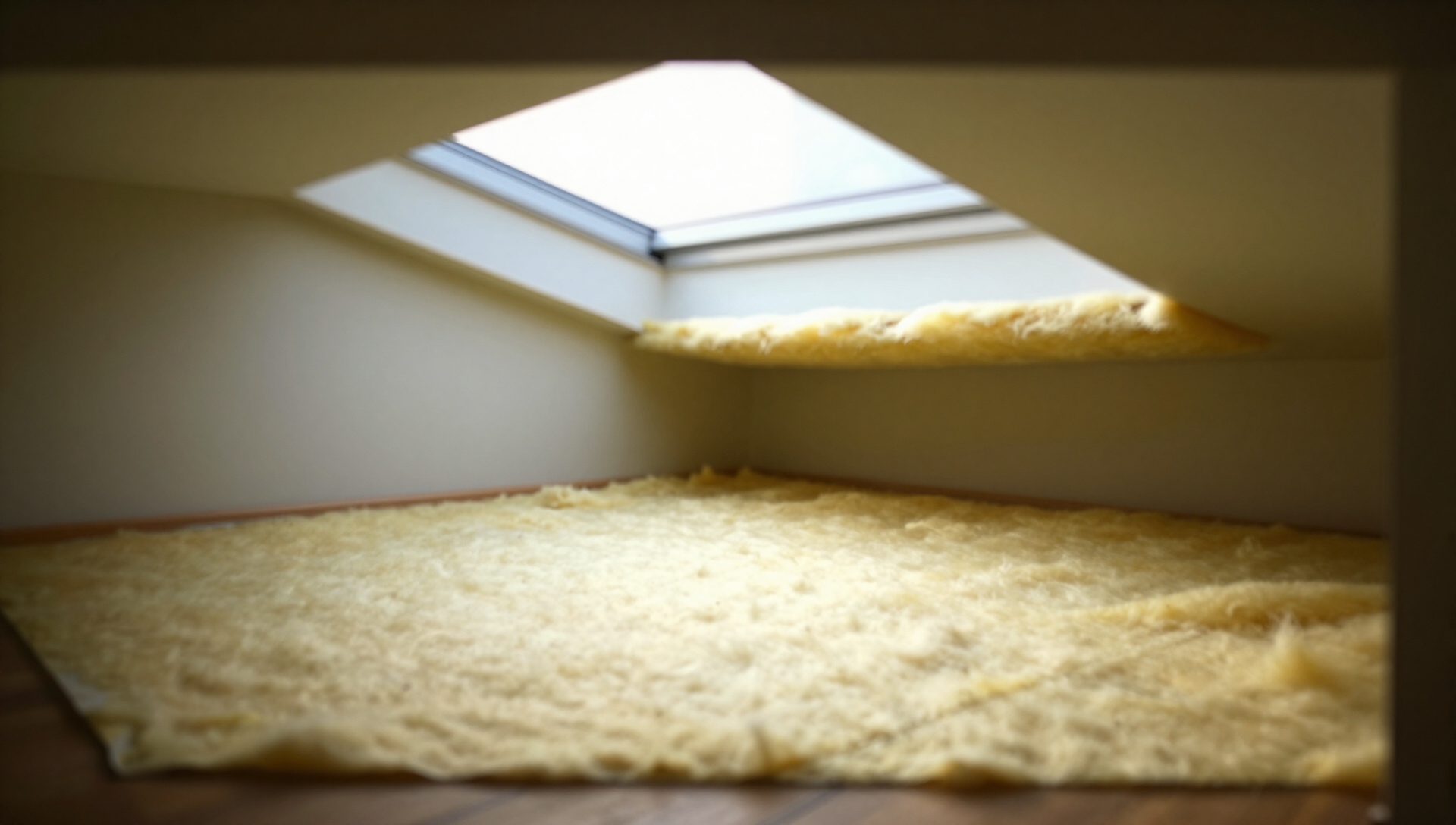
Research sits in Melbourne’s outer north-east, exposed to hot dry summers with strong northerly winds that heat up roofs quickly. Roof insulation addresses this by reflecting radiant heat at the source, keeping the roof space and living areas cooler without overworking air conditioning.
Foil-faced products reflect up to 97% of radiant heat, stopping it before it warms the roof timbers and ceiling below. This is critical in Research where metal roofs can reach extreme temperatures on heatwave days.
Homes with exposed rafters or cathedral ceilings have no ceiling cavity to hold bulk insulation. Roof insulation installed directly under the roofing provides the thermal barrier these designs need.
By lowering the temperature in the roof space, your air conditioner runs less often and for shorter cycles. This cuts energy use and power bills during Melbourne’s hottest months.
Extreme heat can cause timber rafters to expand and contract, leading to cracks and warping over time. Roof insulation moderates temperature swings, extending the life of roof framing.
Roof sarking or foil can be added above existing ceiling batts to create a dual-layer system. This handles both radiant heat from the roof and conducted heat through the ceiling.
For new roofs or re-roofing, sarking is laid before the roofing sheets go on. For existing roofs, foil laminates can often be installed from the roof space without removing tiles.
Installing roof insulation in Research starts with a site check to confirm roof type, access and the condition of existing materials. The process varies slightly for tiled and metal roofs, but the goal is the same: create an unbroken reflective layer under the roofing.
We assess the roof pitch, access points and the condition of the roof space. For tiled roofs, we check for broken tiles and the integrity of the battens. For metal roofs, we confirm the profile and fixing method to ensure sarking can be properly secured.
Old loose material, dust and debris are cleared from the roof cavity. If existing insulation is compressed or damaged, it may need removal before new products are installed. We also check for electrical cables and downlights to maintain required clearances.
For new roofs or re-roofing, sarking is laid directly over the rafters or battens before roofing sheets are fixed. For existing roofs, foil laminate is stapled or fixed between rafters from the roof space, ensuring an air gap for reflectivity to work.
All joins in foil products are taped to prevent heat leakage. For metal roofs, sarking is secured with compatible fasteners. We then check that the installation does not block ventilation paths, which are essential for moisture control.
Research has a mix of newer estates and established homes, many with colourbond or tiled roofs that absorb heat quickly. Roof insulation is particularly effective here because the suburb’s elevation and exposure to northerly winds mean roofs heat up faster than in more sheltered areas. For homes with cathedral ceilings or open rafter designs, roof insulation is often the only practical way to control temperature without losing the architectural style.
Reflective foil and sarking under roofing to block summer heat gain in Research homes.
Homeowners in Research often ask about the best products for their roof type, whether installation can be done without removing tiles, and how much difference it makes to indoor comfort.
Expert Insulation Melbourne installs roof insulation in Research to reduce summer heat gain through tiled and metal roofs. Foil-faced blankets and sarking are positioned at the roofline to reflect radiant heat before it enters the roof space, which is especially valuable in Research where hot northerly winds drive temperatures up quickly. This layer works alongside ceiling insulation to keep living areas cooler and lower cooling costs.
For Research homes with cathedral or raked ceilings, roof insulation is often the only viable thermal barrier because there is no ceiling cavity for batts. Sarking under metal roofing or foil laminates under tiles provide the reflectivity needed to block radiant heat. The installation is typically done during re-roofing or from the roof space, with minimal disruption to the home.
The process begins with a roof inspection to check access, pitch and the condition of existing materials. Old dust and debris are cleared, and foil products are installed with an air gap to ensure reflectivity. All joins are sealed to prevent heat leakage, and ventilation paths are maintained to avoid moisture buildup. This approach suits Research’s mix of newer and established homes, particularly those with colourbond or tiled roofs.
Reduce summer heat gain through your roof with foil sarking or reflective laminates installed by Expert Insulation Melbourne in Research.